

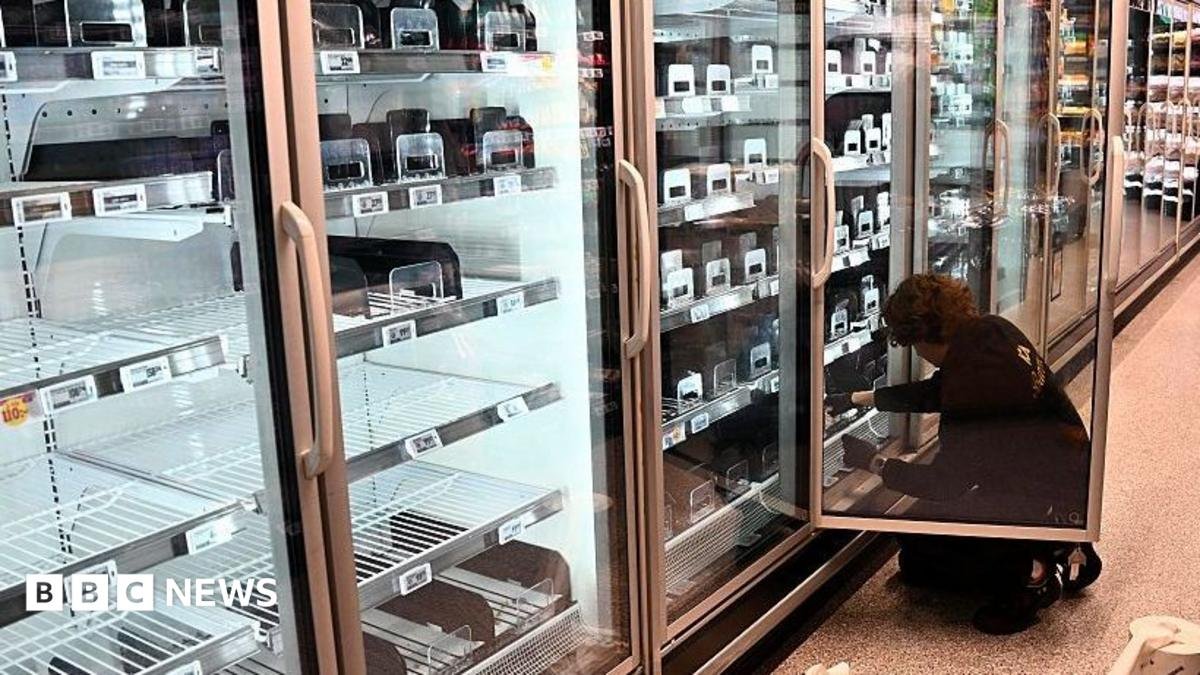
French authorities say that fridges utilized in medical amenities to retailer blood for donations had been impacted by current cyber-attacks by unknown hackers.
The French Blood Institution (EFS) stated chilly rooms storing blood had been impacted by hackers, with temperatures set to rise – however employees intervened to guard blood provides.
“No well being influence has been recognized and no lack of blood merchandise is to be reported,” the EFS stated.
Up till now, solely supermarkets had been identified to have been impacted by the hacks.
In the meantime rumours have been circulating on-line about Russian hacktivist teams claiming they labored collectively to hack one of many techniques that was used within the assaults which have affected European supermarkets.
Noname057(16) and Z-Pentest Alliance posted that they efficiently hacked Danfoss which led to hypothesis that they had been the culprits behind the freezer hacks.
However analysts now query whether or not or not that meant they had been behind the grocery store cyber-attacks.
Whereas Russian teams will not be being dominated out, consultants say Iranian hacktivists or nation state hackers – and even youngsters pulling pranks – may be the culprits.
Cyber-security researchers at a number of companies are poring over proof gathered from so-called “honeypots” to offer clues as to who’s behind the waves of freezer hacks.
Three separate cyber-security companies have deployed pretend freezer software program traps to observe how hackers try to make use of them for assaults.
In cyber-security, a “honeypot” is a digital decoy – reminiscent of a pretend laptop community or file – intentionally set as much as seem like a weak goal to lure and lure hackers.
By monitoring these traps, safety consultants can safely examine an attacker’s strategies with out placing actual techniques in danger.
In response to exercise gathered after the primary wave of cyber-attacks, the second wave which hit a number of European international locations was extremely focused.
“The truth that all these fridge freezers had been hit concurrently suggests planning and coordination,” says Ryan Dewhurst from Spanish cyber-security firm Previdian.
The entry level to the affected freezer software program merchandise was not tough to use as they had been poorly protected, with identified assault strategies already floating round on-line.
However consultants like Dewhurst say the hacker or hackers needed to collect the details about the units’ public IP addresses to create a goal checklist then take time to plan which strategies to make use of and when to execute them.
“Given the reported timing of when the units had their temperatures elevated, which appears to have been in a single day for optimum harm – that is additional proof that the assault was deliberate and co-ordinated,” he stated.
One other cyber agency which has deployed related honeypot tech to lure the hackers into revealing their techniques is Strathclyde-based Lupovis.
It had honeypots which seemed to be situated all over the world, and began seeing exercise 10 days earlier than the second wave of cyber-attacks.
Intriguingly, the crew noticed hackers scanning and probing their pretend freezer websites solely in Europe.
“We noticed none of our honeypots in locations like Africa or South America focused in any respect,” stated Lupovis founder Dr Xavier Bellekens.
“Even pots in Ukraine had been left alone.”
