

TL;DR: The US Treasury’s Monetary Crimes Enforcement Community says MEXC International facilitated at the least $16 billion in transactions linked to illicit exercise and has issued a particular measure prohibiting US monetary establishments from processing transfers involving the alternate. The discovering is a regulator’s allegation, not a judgment towards each MEXC consumer.
The sharpest crypto enforcement story of the weekend got here not from a buying and selling chart however from the US Treasury. On November 6, FinCEN introduced an order designed to chop alternate MEXC International off from the US monetary system. The company mentioned its investigation recognized at the least $16 billion of illicit transactions linked to sanctions evasion and cybercrime, together with exercise involving Iranian, North Korean and Russian actors.
The company’s official announcement is unusually consequential as a result of it’s aimed on the banking connections surrounding a crypto buying and selling venue. That differs from imposing a superb and asking a enterprise to enhance compliance whereas persevering with to function usually.
What the particular measure really does
FinCEN says the order prevents US monetary establishments from processing funds transfers involving MEXC International. In sensible phrases, the measure targets entry to greenback banking rails and the monetary intermediaries that may in any other case settle transfers for exchange-related exercise. It doesn’t imply that each blockchain transaction involving an tackle related to the venue has technically stopped. Public blockchains and controlled financial institution transfers are totally different programs.
Neither is $16 billion offered as a determine for buyer losses or the worth of property at the moment lacking. It’s FinCEN’s description of transactions it associates with illicit exercise. Collapsing these classes right into a sensational theft headline would distort the regulatory discovering. The allegations must also be attributed to the Treasury reasonably than handled as a court docket dedication that each named counterparty dedicated an offence.
The motion sits inside Operation Financial Outcast, a Treasury effort centered on sanctions evasion networks. For compliance groups, its significance is quick: a cost that not directly touches a prohibited counterparty can create publicity even the place the ultimate buyer has no intention of participating with a sanctioned entity.
Why an alternate’s financial institution entry issues
Crypto exchanges depend on an ecosystem of counterparties, not simply matching engines and onchain wallets. Funds corporations, correspondent banks, custodians and stablecoin issuers could all be concerned in transferring buyer cash. When US establishments are barred from processing transfers involving a named alternate, these suppliers should reassess their screening and contractual preparations.
We’ve got already seen why monetary plumbing issues in periods of market stress. In our coverage of the restrictions around European stablecoin trading, a regulatory perimeter modified the sensible routes by which prospects may entry specific property. FinCEN’s mechanism is totally different, however the distinction between holding a token and accessing a selected service stays helpful.
There could also be knock-on results for liquidity and settlement, however these require proof reasonably than guesswork. The order alone doesn’t set up the quantity of MEXC quantity that relies on US banks or how rapidly different compliant preparations might be developed.
What customers and counterparties ought to verify
Clients ought to search for direct notices from the alternate and their very own banks, and keep away from counting on unsolicited messages promising to ‘unlock’ accounts. Impersonation and restoration scams usually exploit confusion round enforcement motion. Institutional companies ought to seek the advice of the precise order and their authorized advisers reasonably than assume a generic announcement captures each related obligation.
The questions now are how the prohibition is applied, what its efficient circumstances imply for counterparties, and whether or not the alternate gives a substantive response. For now, the verified information is a major US banking restriction grounded in FinCEN’s said findings—not proof that prospects’ crypto balances have vanished.
This text was written by the Information Desk and edited by Samuel Rae.
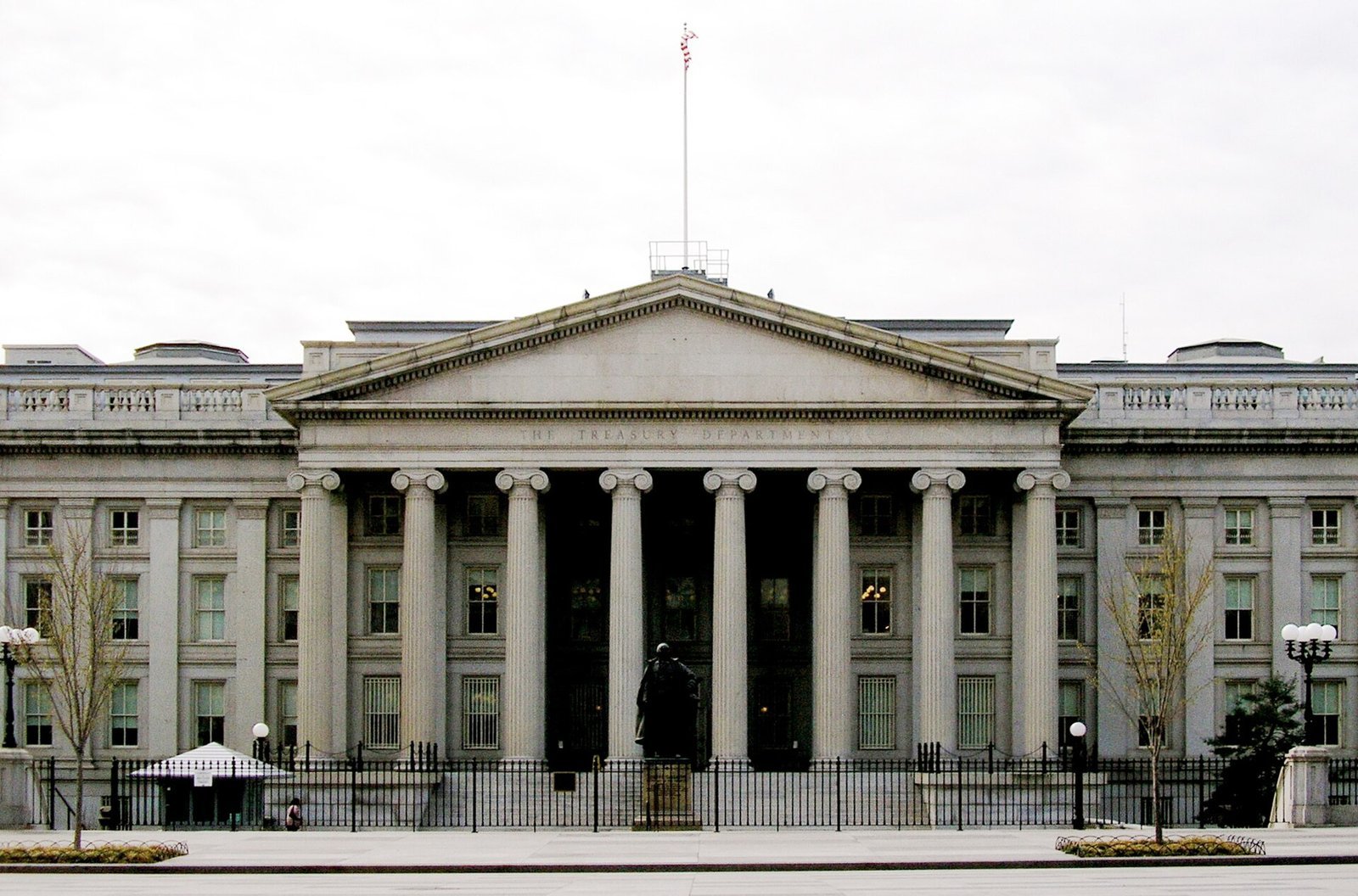
Featured picture: U.S. Division of the Treasury constructing in Washington, D.C. Photograph: Loren through Wikimedia Commons (Public Domain).

